Safety is not a test added after production. It begins with the intended user, the market and the ways the product can be touched, dropped, opened or misused.
Early planning reduces redesign because materials, seams, enclosures, batteries, labels and packaging can be reviewed as one product system.
Set market and age grade first
Requirements depend on where the product will be sold and who will use it. The brief should name both before the sample plan is approved.
- Primary sales market
- Intended age grade
- Retail or ecommerce channel
- Known customer requirements
Review product-specific risks
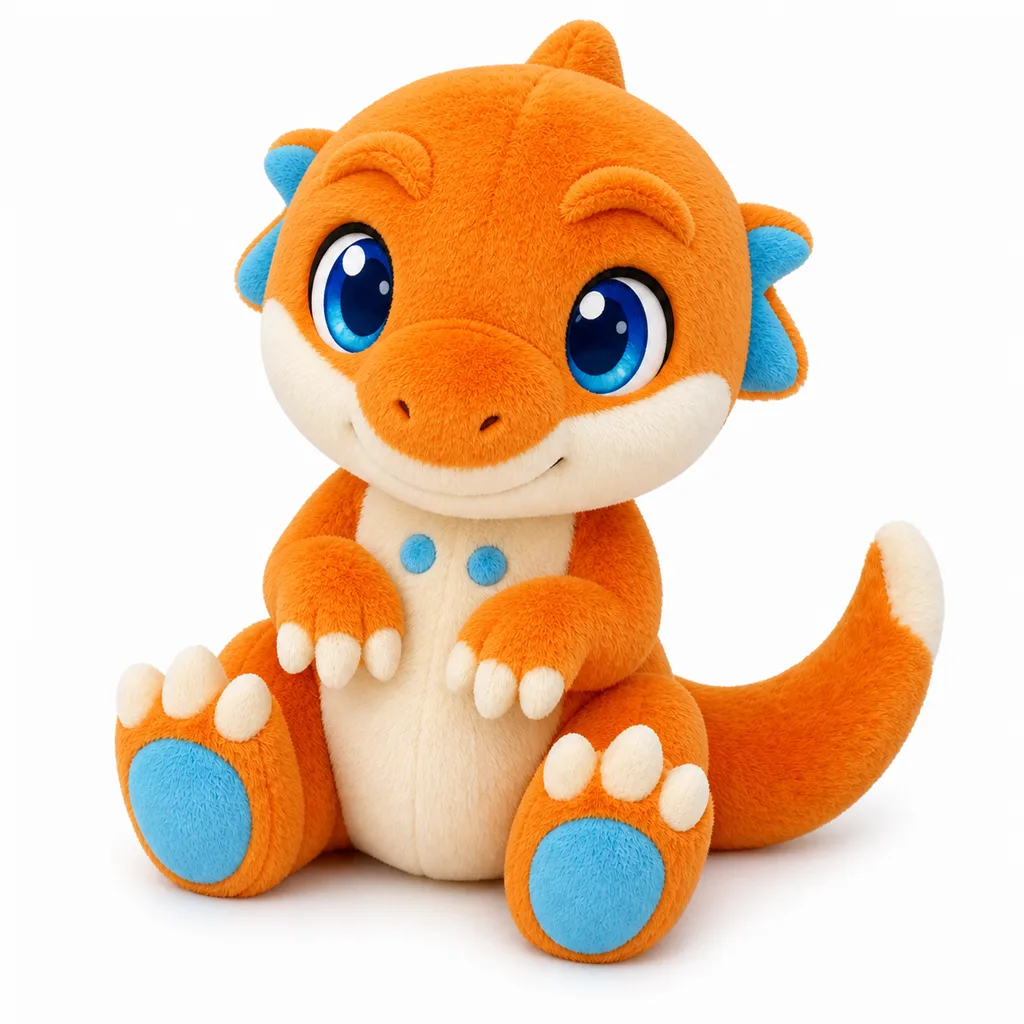
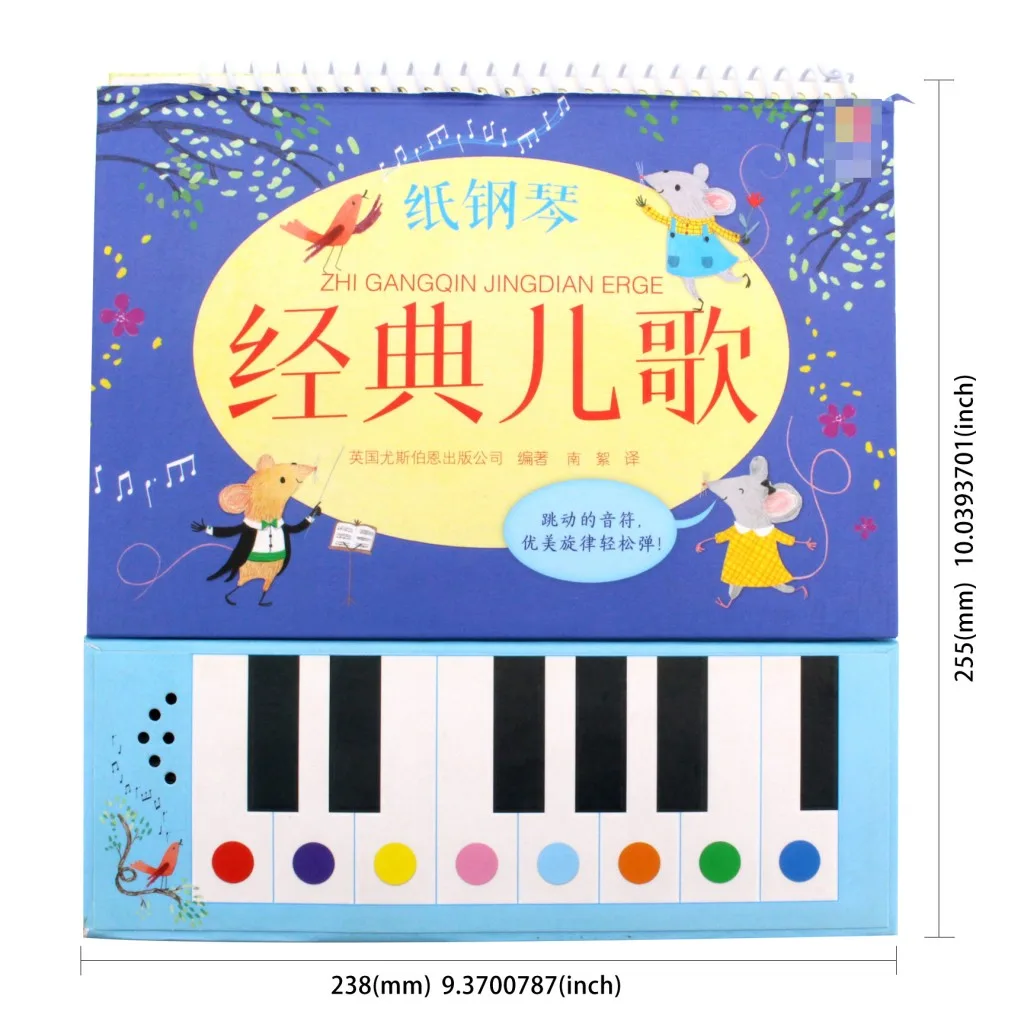
Plush construction raises questions about seams, stuffing and small parts. Electronic toys add power, heat, sound, battery access, firmware and enclosure risks.
The relevant review depends on the actual design. A generic certificate cannot cover a product that has not been defined.
Plan evidence and approval records
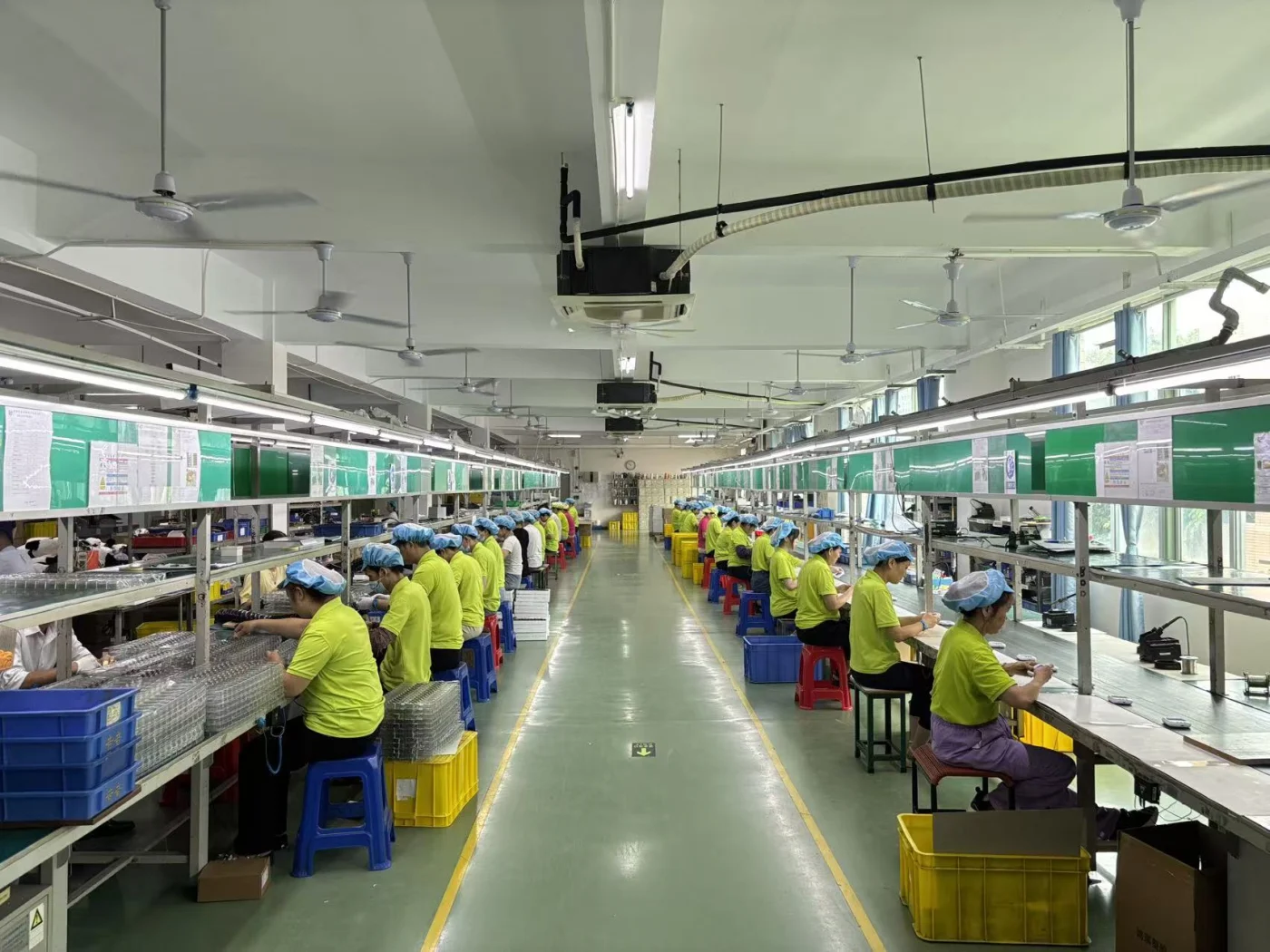
Connect every test need to a sample version and final specification. Record changes after testing so production does not drift away from the reviewed design.
Testing proves one defined product. Change control keeps production tied to that proof.
Include labels and packaging
Warnings, instructions, traceability and packaging statements are part of the compliance scope. They should be reviewed with the product, not after cartons are printed.