A polished sales deck does not prove that a supplier can build your product. Evaluation starts by matching each important claim to current, relevant evidence.
The goal is not to collect the most documents. It is to confirm who owns each decision, where the work happens and how an approved sample becomes a repeatable production run.
Ask for current evidence
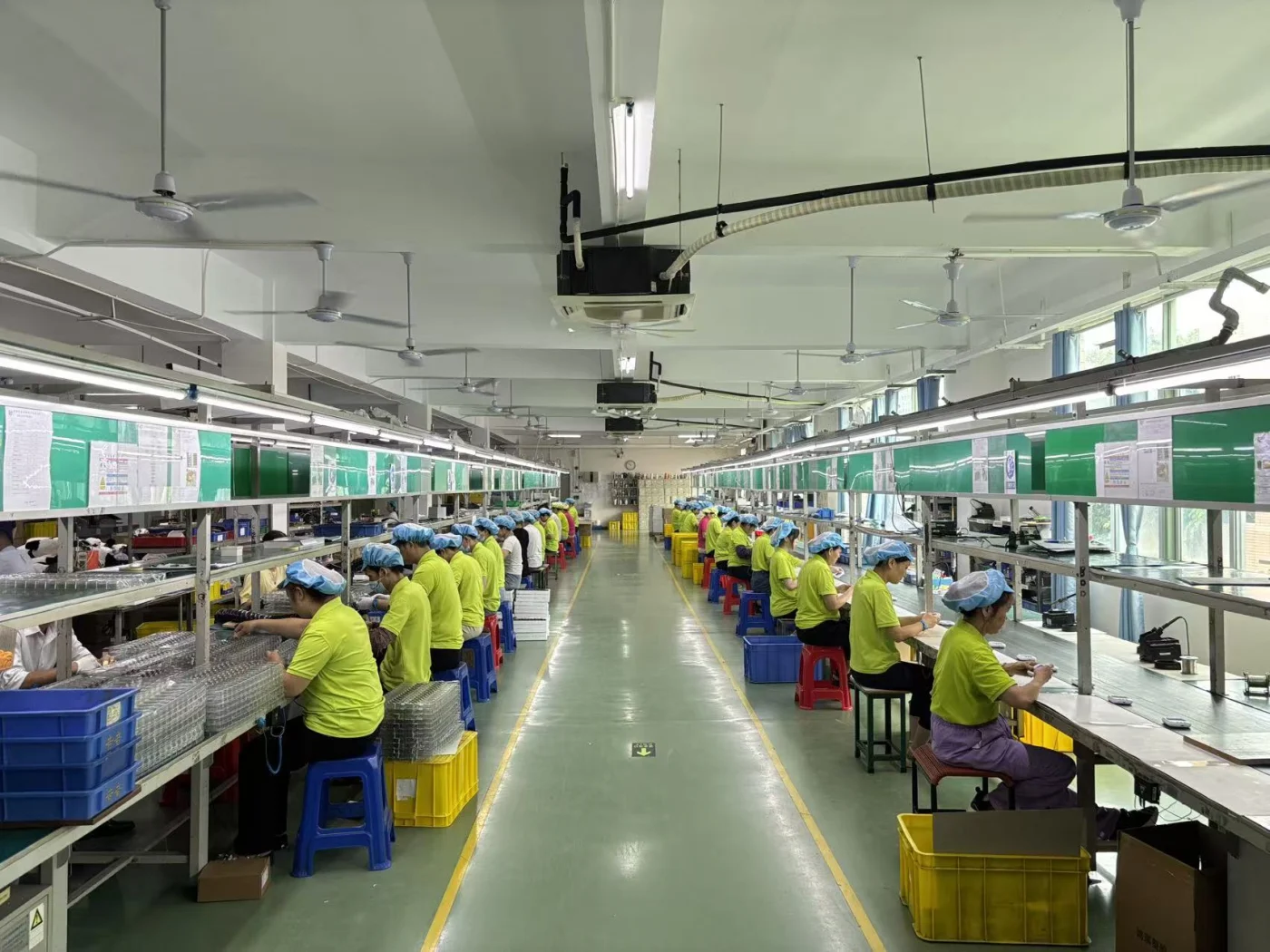
Request dated facility photography, process footage and registrations that match the legal entity on your agreement. Old certificates and generic images do not answer current capability questions.
- Current production areas and equipment
- Named engineering and quality roles
- Relevant product examples
- An audit path when the project reaches that stage
Match capability to the product
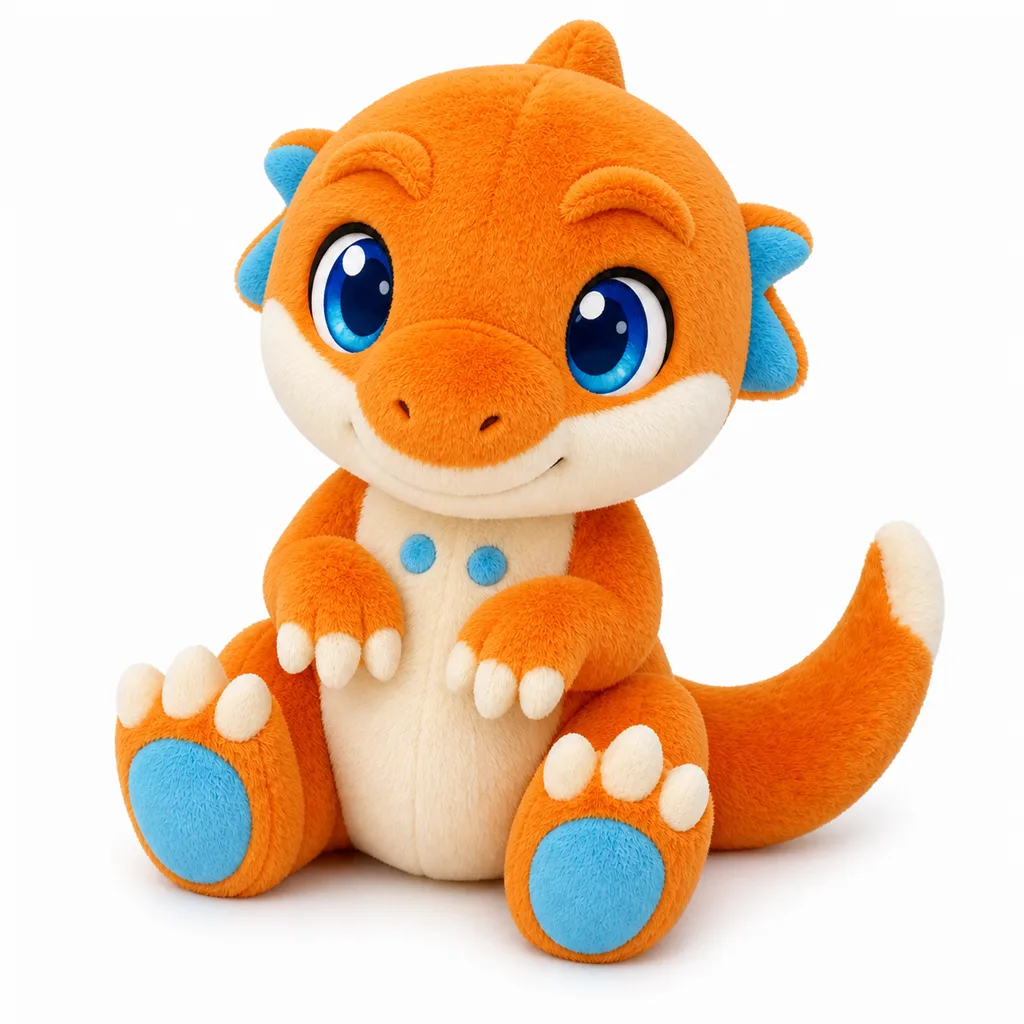
A strong plush factory may still lack electronics engineering. An enclosure supplier may not understand child-safe seams, stuffing or washable construction.
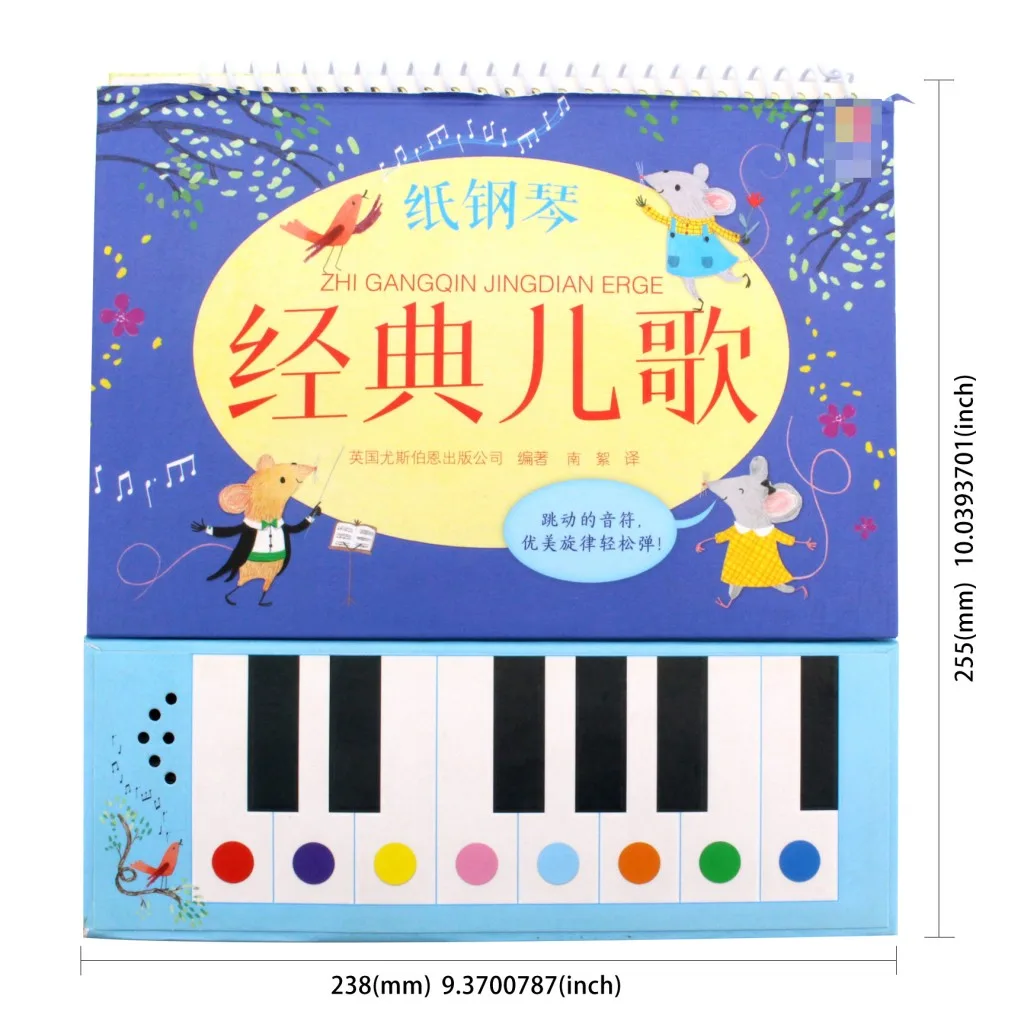
Review the whole system: soft goods, plastics, PCB, firmware, audio, power, printing, packaging and final assembly.
Capability is specific. “We make toys” is not a manufacturing plan.
Review how quality decisions are recorded
Ask how the golden sample is controlled, which checks happen during production and what blocks shipment. The answer should name records, owners and release criteria.
- Incoming material checks
- In-process functional checks
- Final inspection criteria
- Test reports and change records
Keep one accountable contact
Complex programs fail when responsibilities are split across silent vendors. Chloe Toys remains your single accountable contact and runs its own production teams on the project.