A sample is useful only when everyone agrees on what it must prove. Appearance, function, safety, packaging and production readiness may require different sample stages.
Approval gates protect cost and schedule by stopping unresolved decisions from moving into tooling or volume production.
Name the purpose of each sample
A visual model may confirm shape and color but say nothing about electronics or production materials. A functional prototype may still use temporary construction.
- Appearance and scale
- Function and user interaction
- Production materials and construction
- Packaging and pack-out
Record approvals and open items
Approval should identify the sample version, accepted decisions and remaining changes. Photos and comments help, but they do not replace a controlled specification.
The approved sample and written specification must describe the same product.
Use a pilot to test repeatability
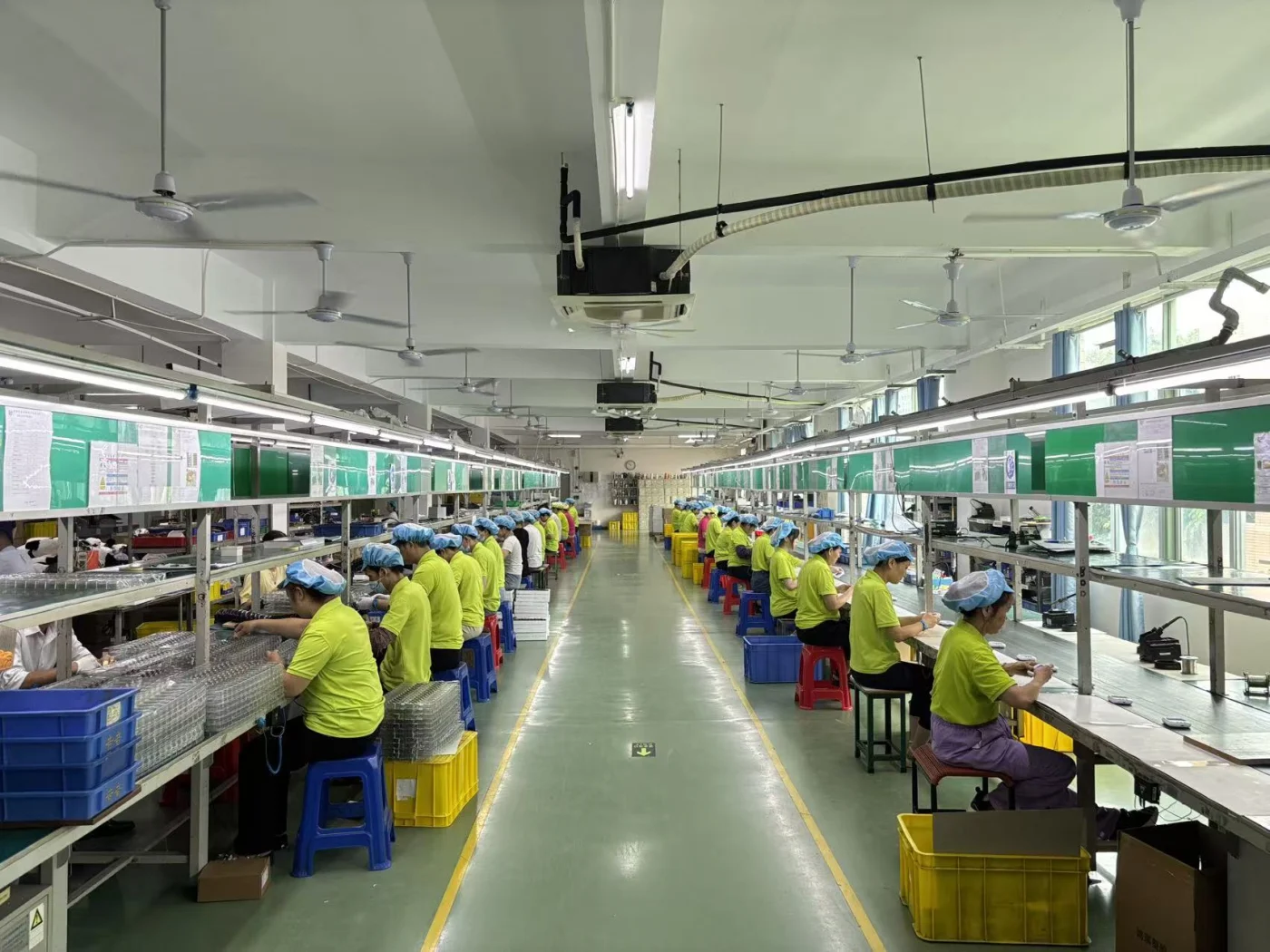
A pilot run checks tooling, assembly steps, fixtures, firmware loading, functional tests and inspection criteria at a small production scale.
Issues found here should update the build records before the full run is released.
Release production against one baseline
The golden sample, final files, bill of materials and inspection plan should agree. Any later change needs an owner, impact review and new approval.