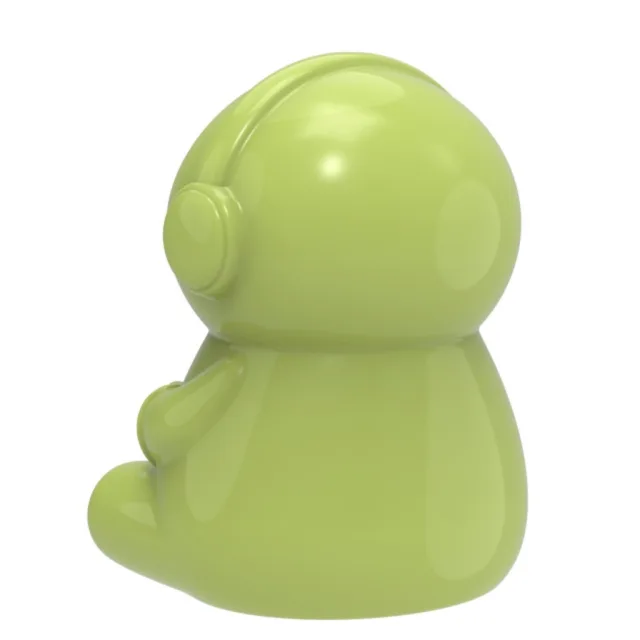
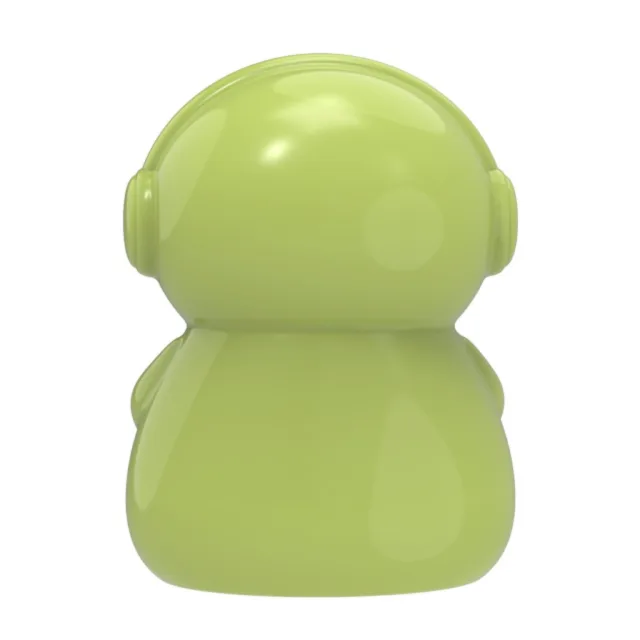
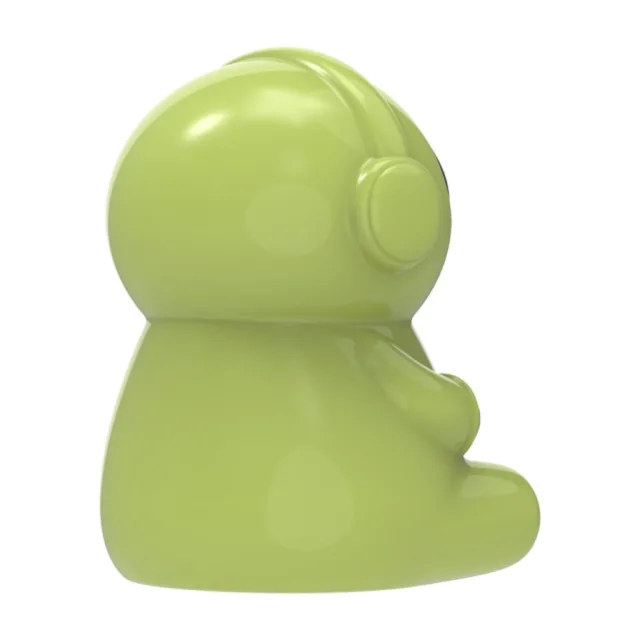
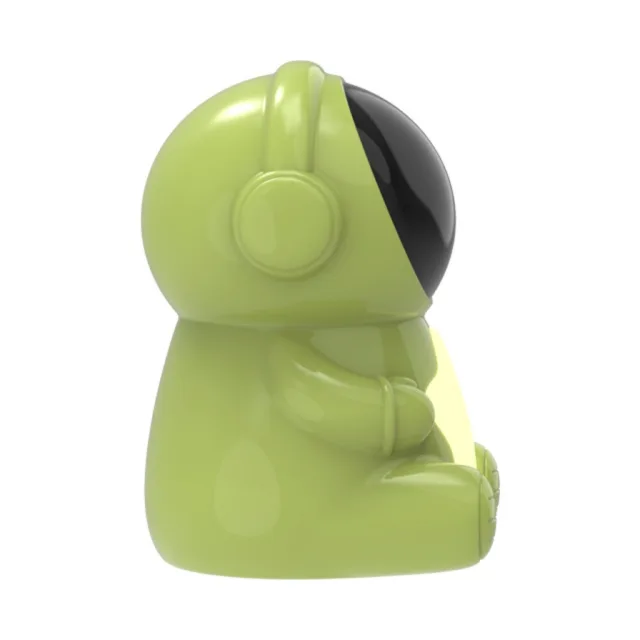
Astronaut Night Light product reference

Toy electronics

Astronaut Night Light

An electronics platform for light, timing, sound and bedside features.

  • Light and sound
  • Electronics

Reference images show a starting point. Shape, materials, color, functions and packaging can be developed around your brief.

Manufacturing reference

What this reference shows, and what you would decide.

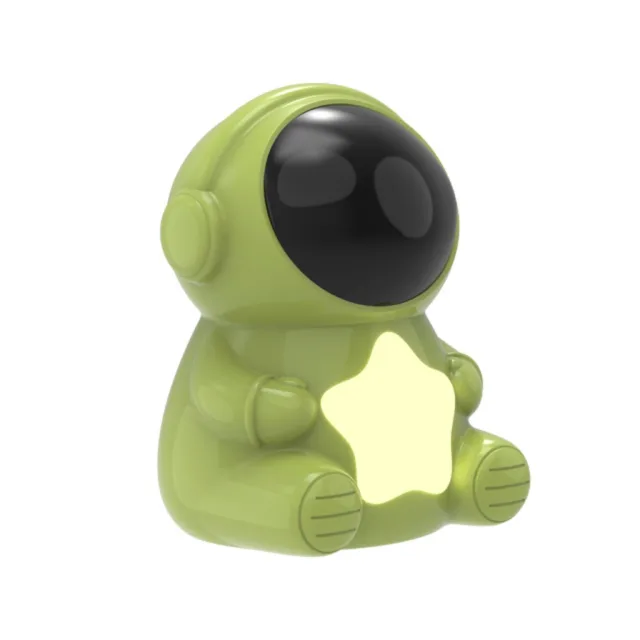
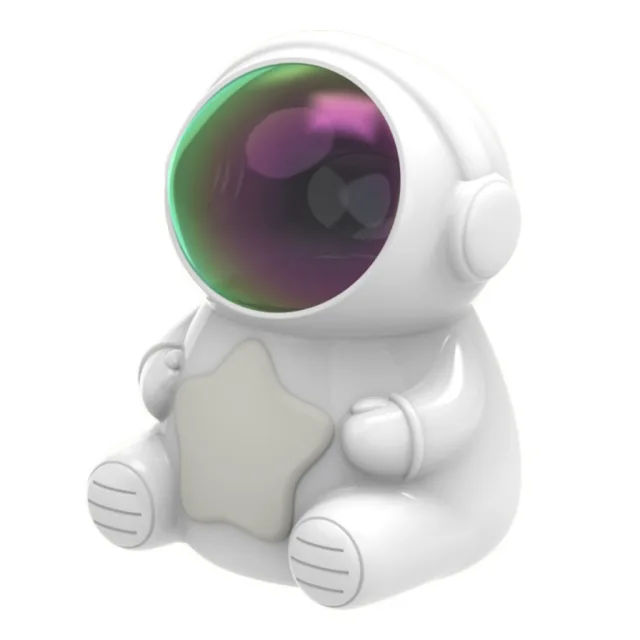
A moulded astronaut whose visor dome is the optical part.

The whole light design sits in one component: an iridescent dome doing the work of a diffuser, a lens and the character's face at once. Its thickness, its finish and the position of the source behind it decide whether the visor glows evenly or shows a hot spot. That is very hard to correct after the tool is cut. The star held in the lap is a second lit element with its own material and its own brightness to balance.

Use this reference when the product is bought as a bedroom object rather than a toy. Decide the brightness range for a dark room, whether the light dims or steps, and what happens after the timer expires. Then check the dome on a real moulded part rather than on a render.

Decisions this product type puts in front of you

  • Enclosure and tooling A moulded shell is steel, so the shape has to be settled before it is cut. Agree the parting lines, the texture, the grille and the light guide at one review, since every unit carries all four.
  • Power route Replaceable cells, a rechargeable pack and a mains adaptor lead to three different products for the parent, the test house and the freight forwarder. Pick one before the case is drawn.
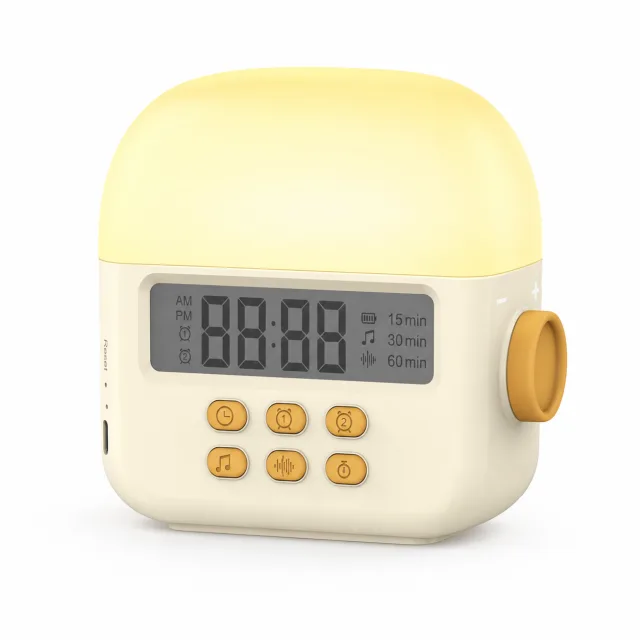
  • Light and sound behaviour Write down the behaviour rather than describing it: brightness steps, colour set, volume limit, timer length and the state the product returns to. That document is what the firmware is built from.
  • Safety and certification A powered bedside product sits in the toy, electrical and, if it has a radio, radio test routes at once. Set the destination markets and the age grade before you fix the feature list.
  • Packaging and instructions A product with modes needs an instruction sheet a tired adult can follow. Plan the artwork, the languages and the quick start card at the same time as the carton.

Send this and we can quote something close to it

  • The feature list, mode by mode, and what happens at power on.
  • The power route you want and where the port or battery door sits.
  • Whether audio content is included, and in which languages.
  • Destination markets and the age grade you intend to print.
  • Quantity and the retail pack format.

Custom development

Make the reference yours.

01

Appearance

Define the character, form, materials, colors, surface details and brand elements.
02

Functions

Select the interactions, audio, light, movement, controls and power system your product needs.

03

Presentation

Plan labels, instructions, packaging, carton configuration and market requirements together.

Start a project
Send the reference.
Get a clear next step.

Share your target market, quantity, features and timing. We will review the route and identify what comes next. Start with Astronaut Night Light →